We live in a time when digital technology has become the oxygen of our daily lives - the most diligent assistant in our work and studies, the best entertainer in our leisure time, the most empathetic relationship counsellor and even the monitor of our sleep patterns. But behind the triumph of digital technology in our daily lives lies a less visible but increasingly pressing problem: are we losing our cognitive power by entrusting our memory, attention and thinking entirely to smart devices?
This question will be addressed by TVNET GROUP and the charity organisation Hospiss LV in the discussion "Click, Scroll, Dementia?", which will take place on 10 December at 18.00 and will be broadcast live on TVNET GROUP's portals TVNET, RUS.TVNET.LV, APOLLO.LV, as well as on Hospiss LV's facebook account.
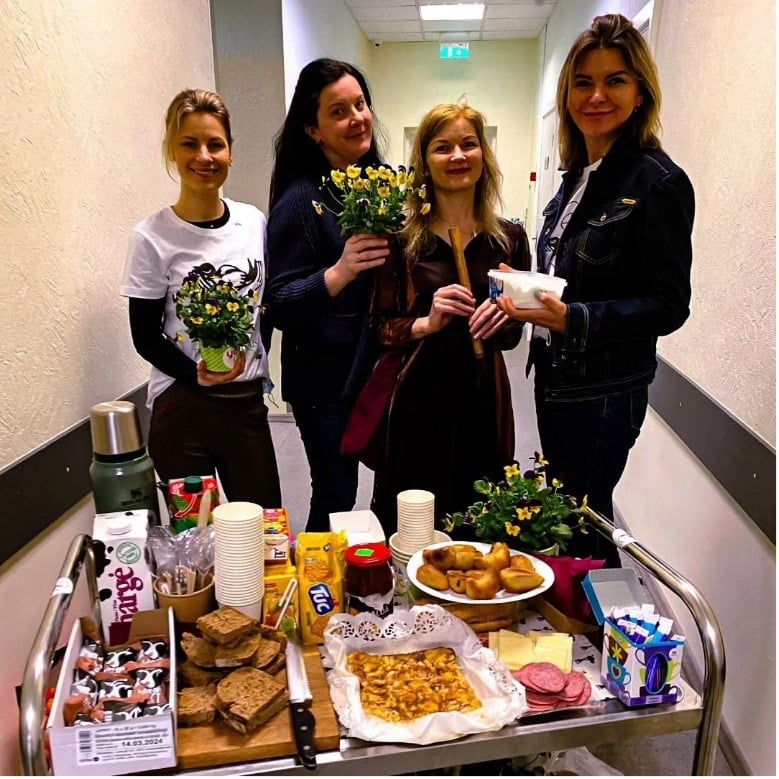
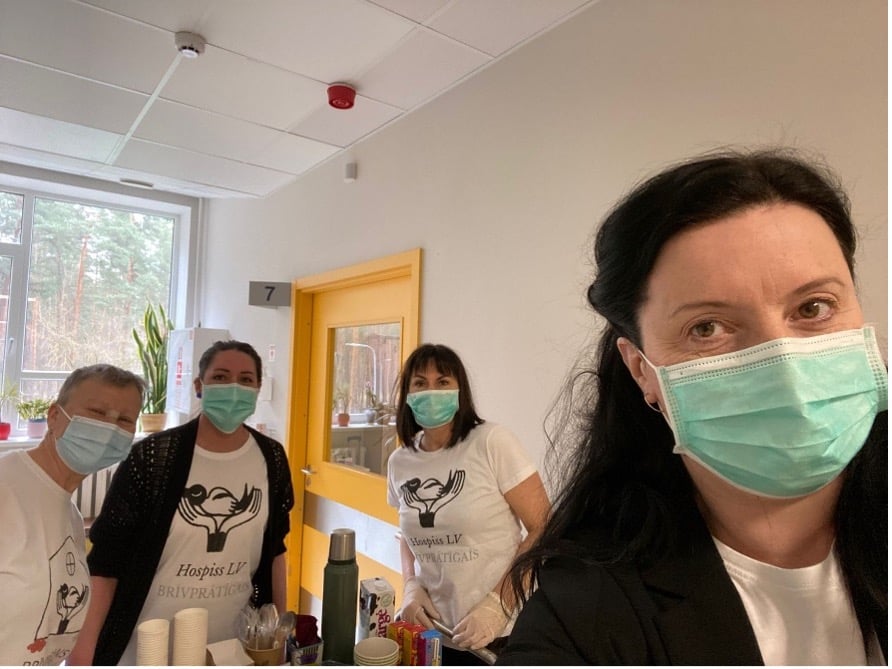
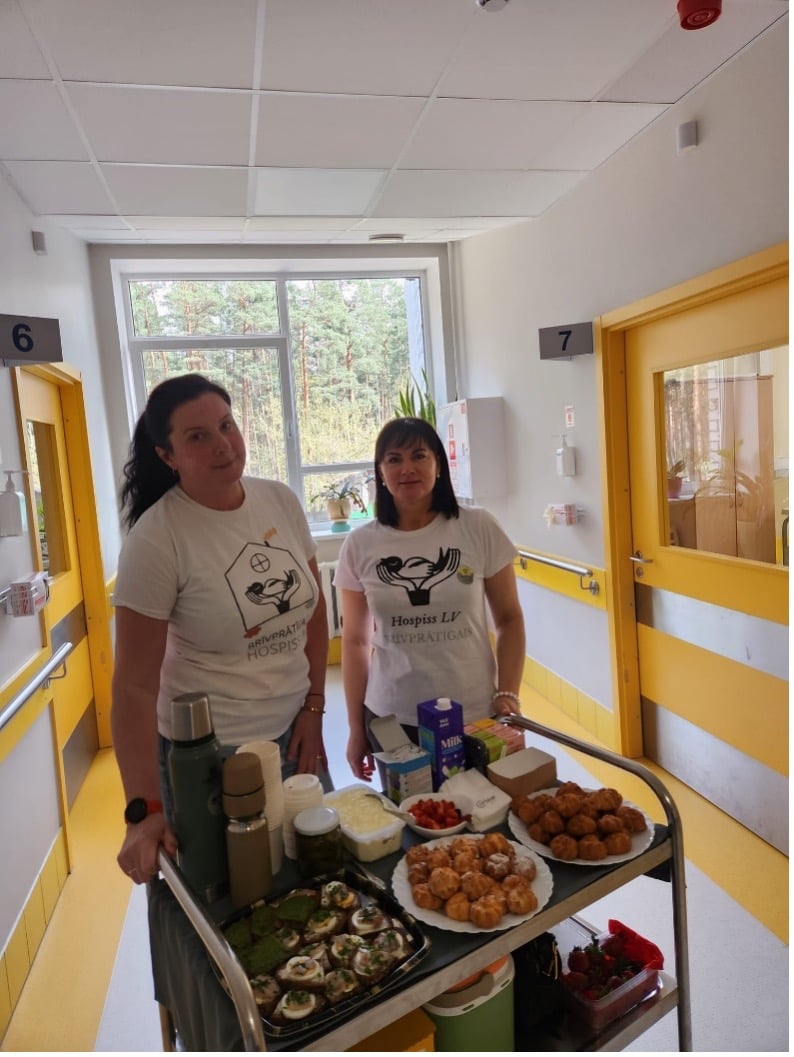
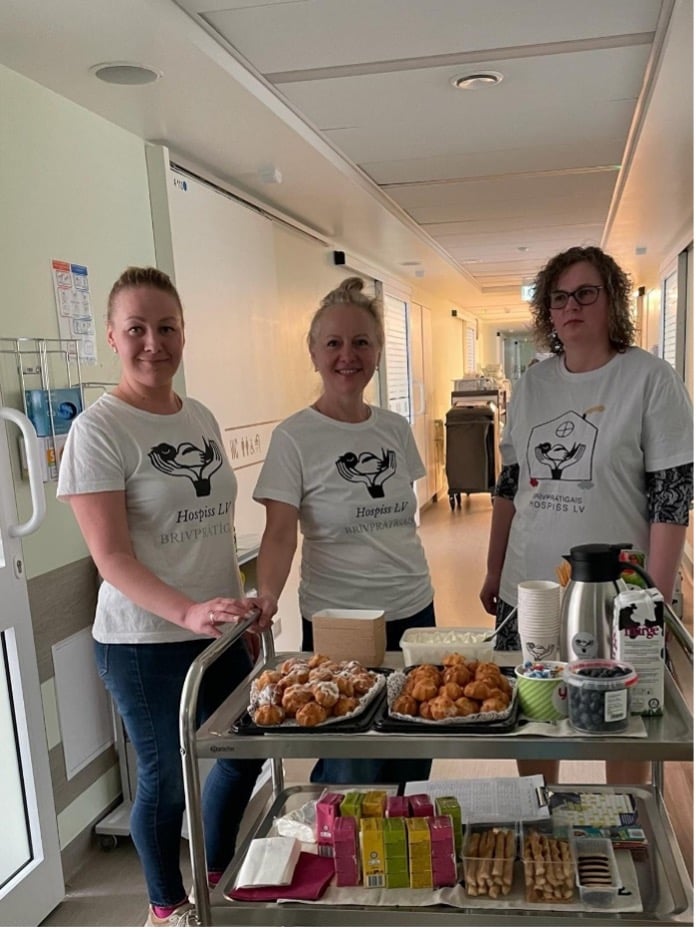
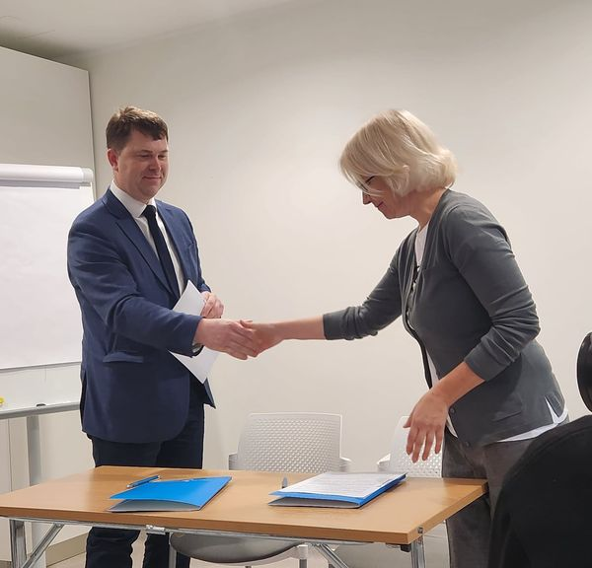
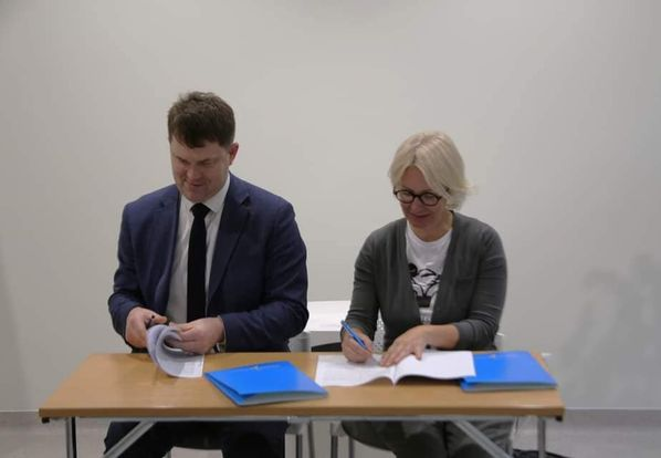
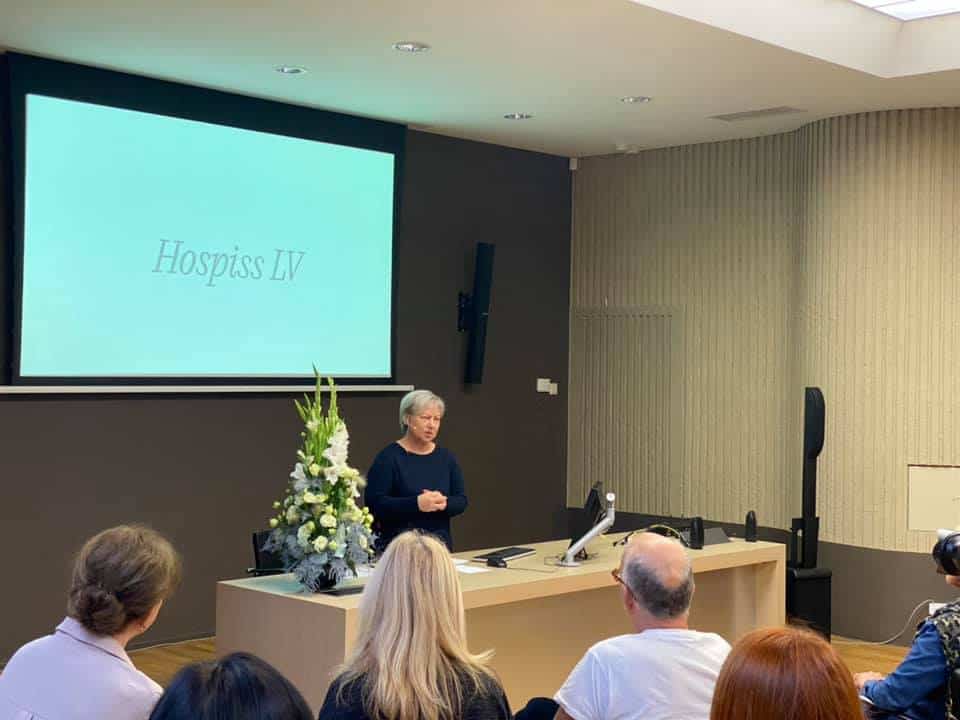
The event is special because it is a joint project of two organisations - TVNET GRUPAS and Hospiss LV. For two years now, we have been working together to raise public awareness about the importance of palliative care.
In the news columns of our friends at TV NET, you'll find stories from people who deal with dementia every day - as patients, as relatives and as carers.
Digital dementia: is the future closer than we think?
Digital dementia is not just a headline. It was coined more than a decade ago by German neuroscientist Manfred Spitzer, who warned that if we stop actively using our brains and entrust their functions to technology, we risk losing the ability to think deeply, concentrate and remember.
The first fully digital generation - those who grew up with screens in their hands from an early age - is now approaching an age when the risk of dementia naturally increases. At the same time, doctors around the world are noticing a worrying trend: symptoms of dementia are becoming 'younger', with cognitive decline becoming more common in the 40-50 age group and attention and memory problems in primary school children.
Why is this happening? Because screens replace the processes that used to activate the brain. This affects children's language development, adults' ability to work, parents' ability to create a presence in the family and seniors' ability to maintain cognitive health. The digital environment is not the enemy, but it is a force that must be used wisely.
Hospiss LV experience: dementia is not a distant tragedy - it is present
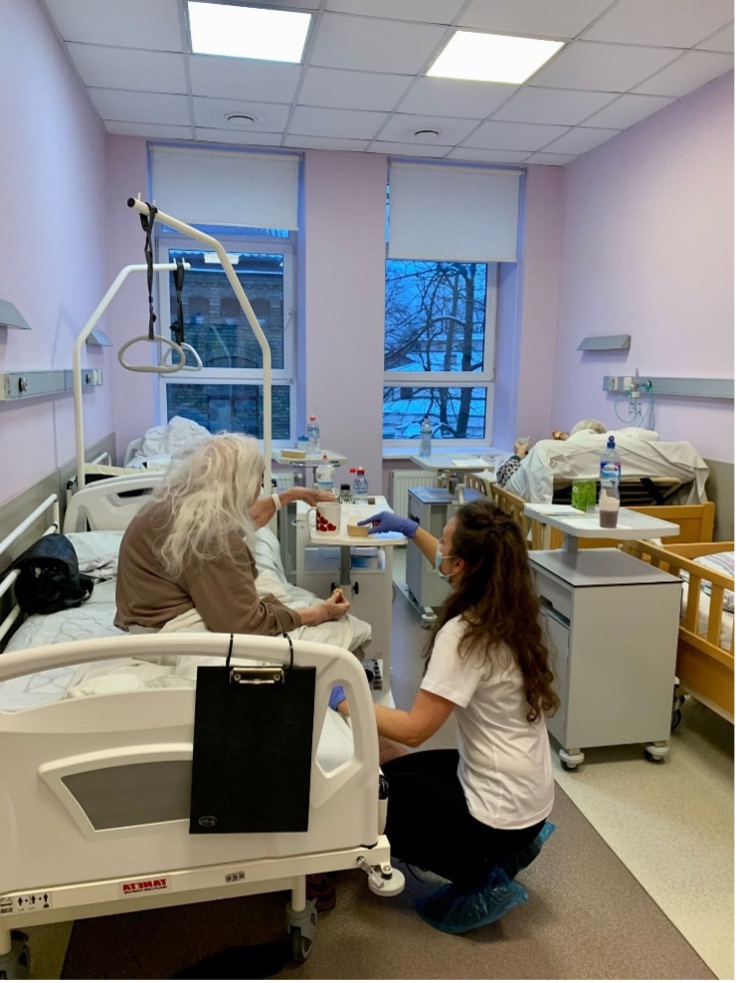
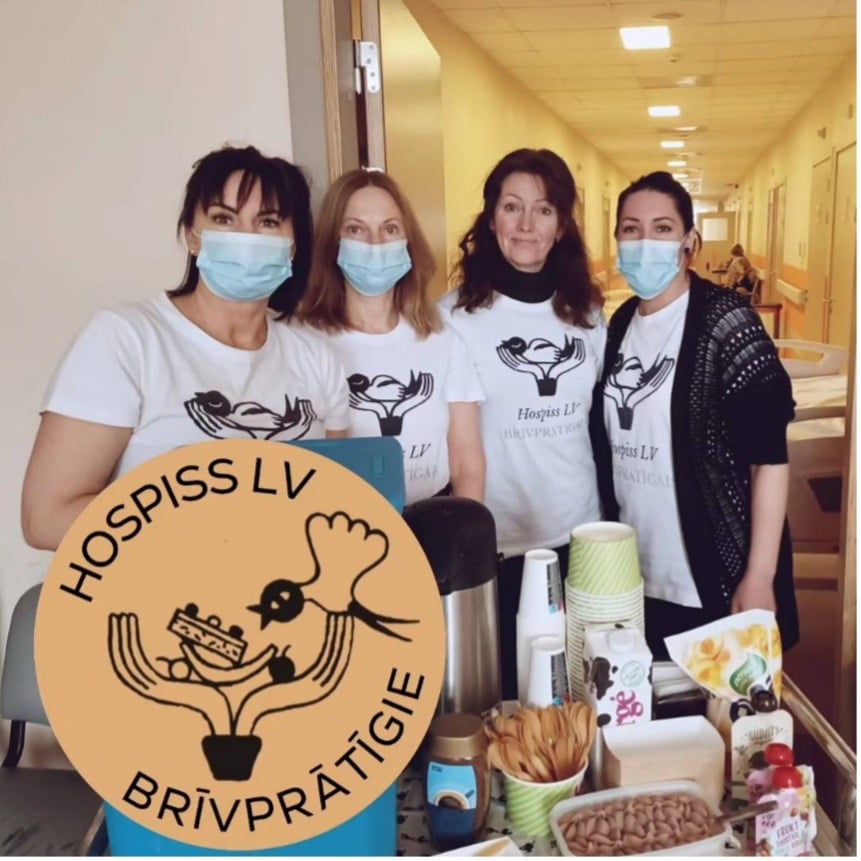
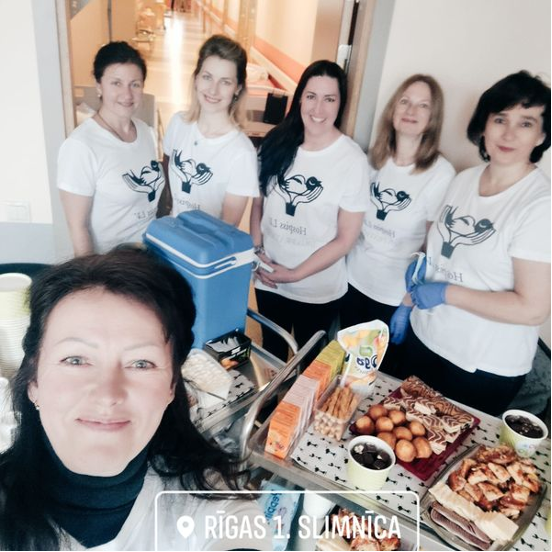
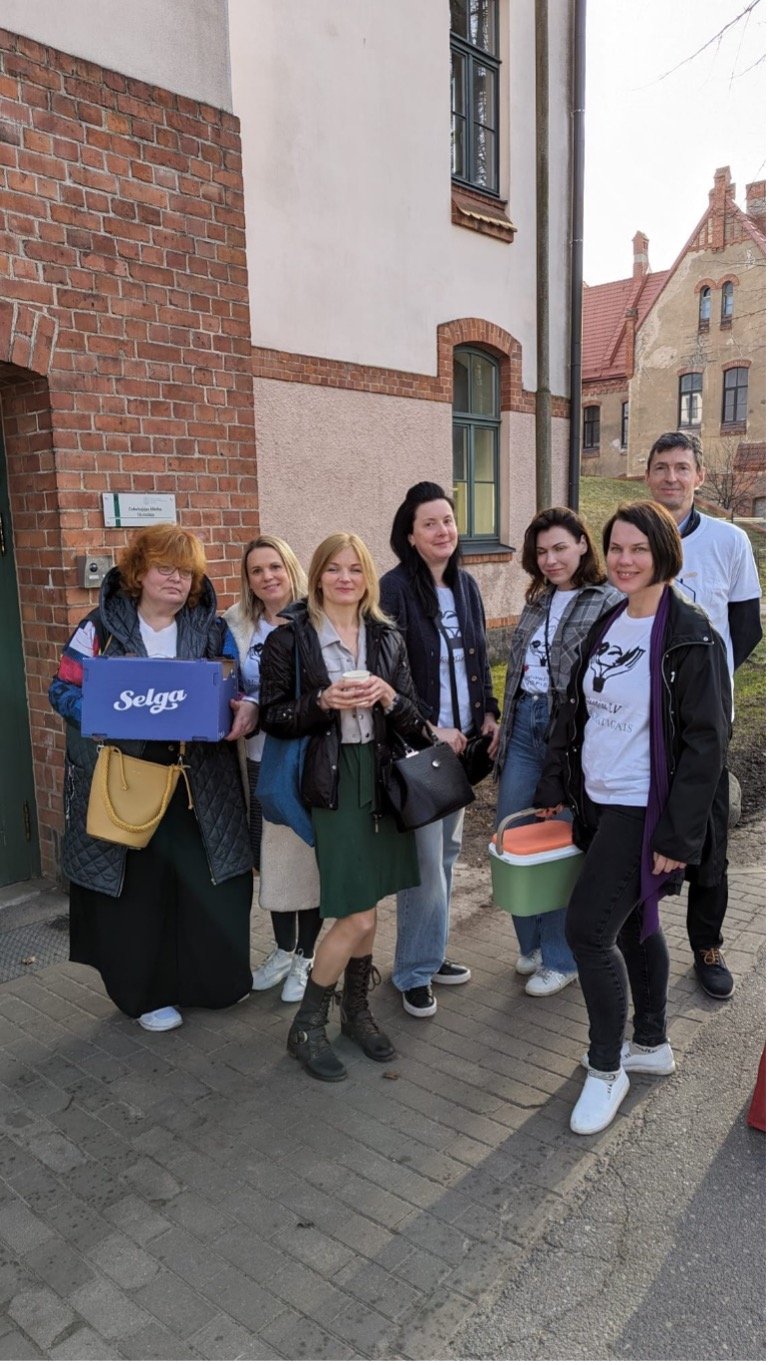
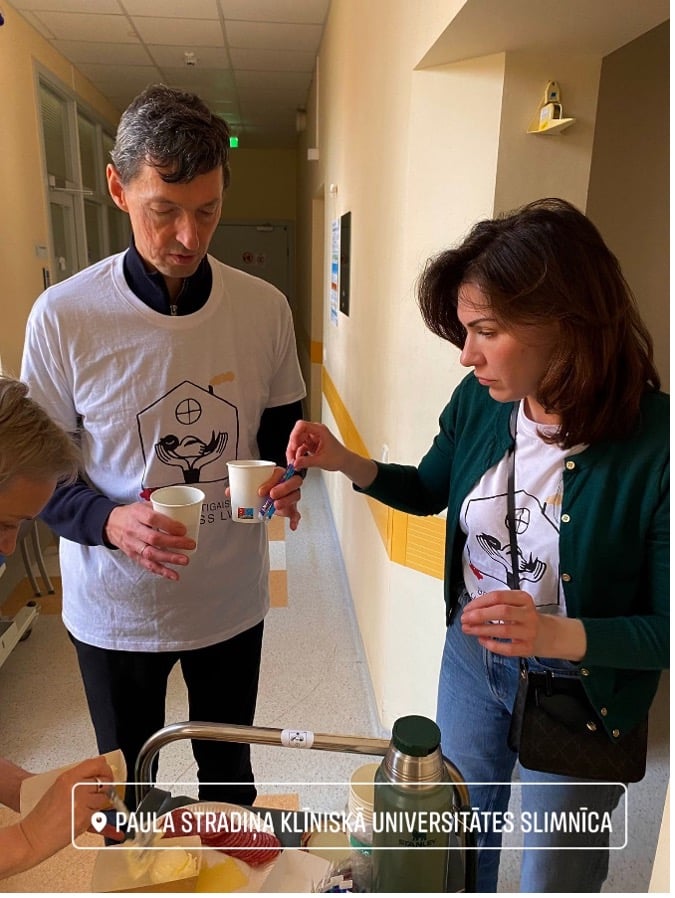
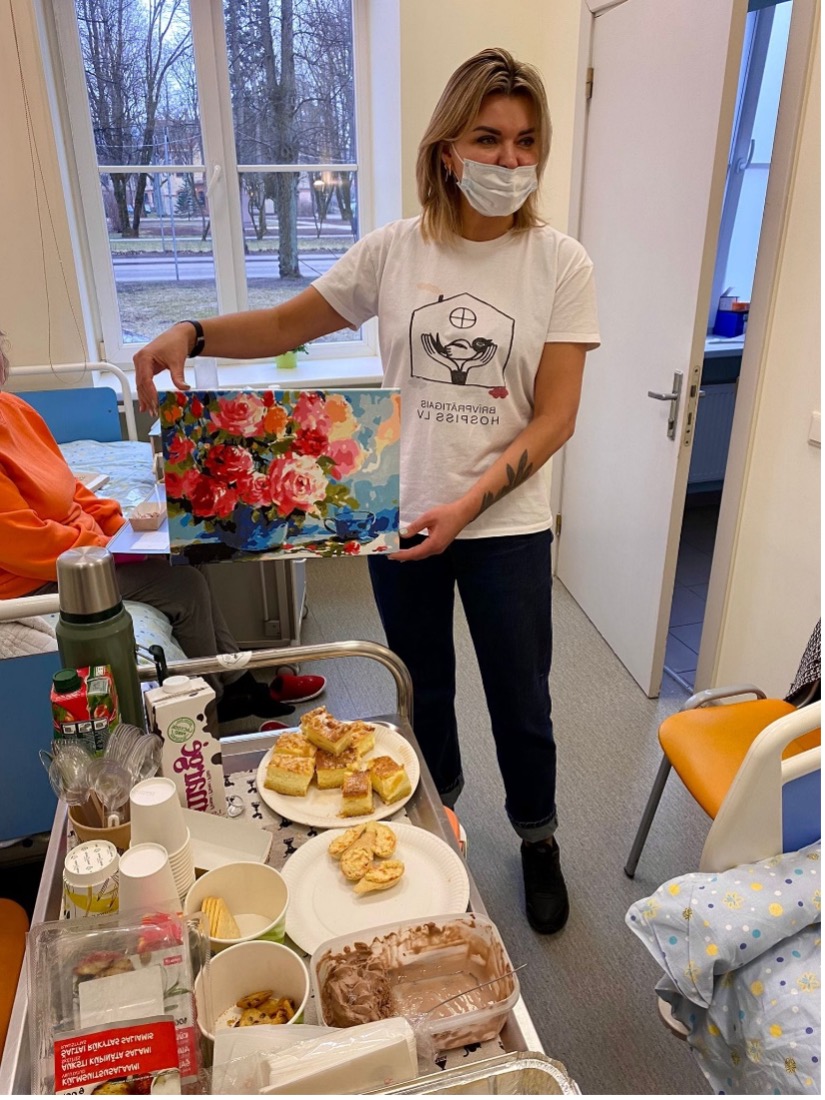
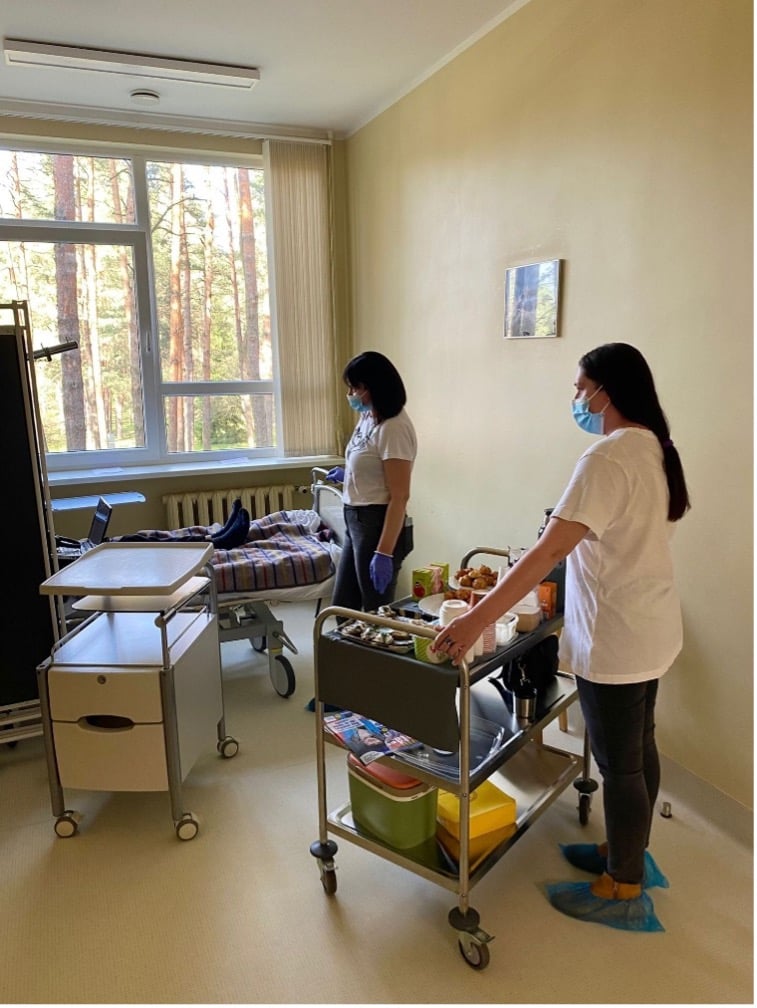
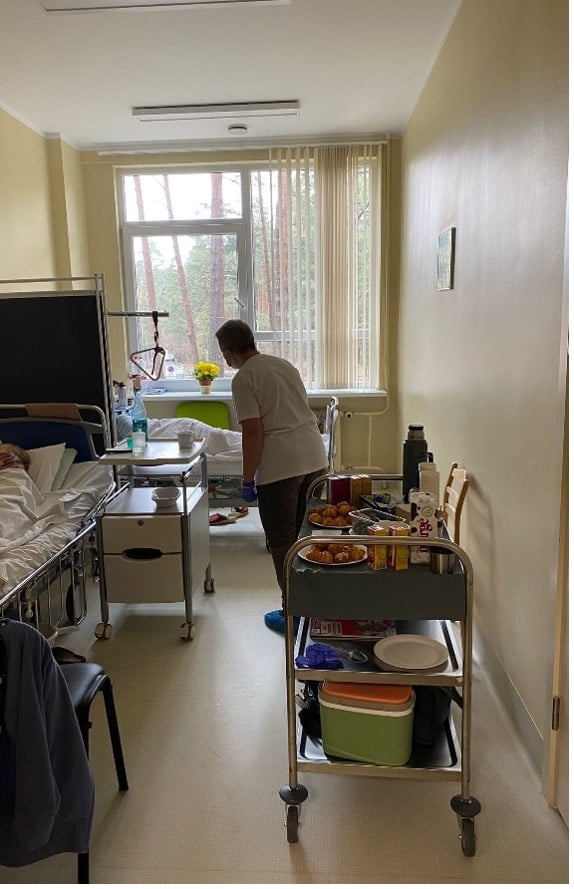
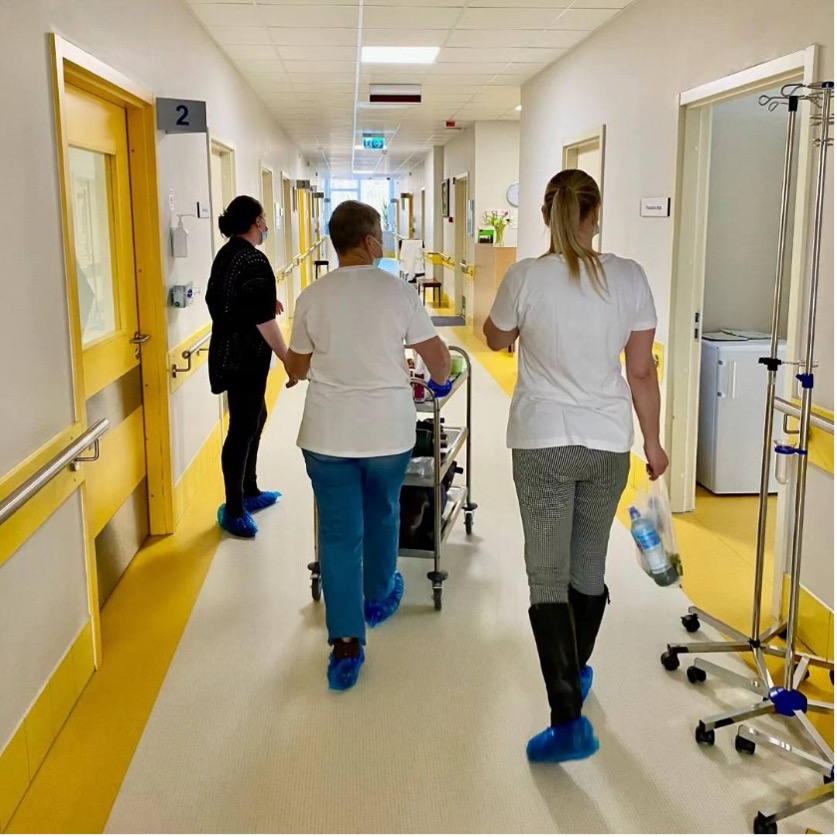
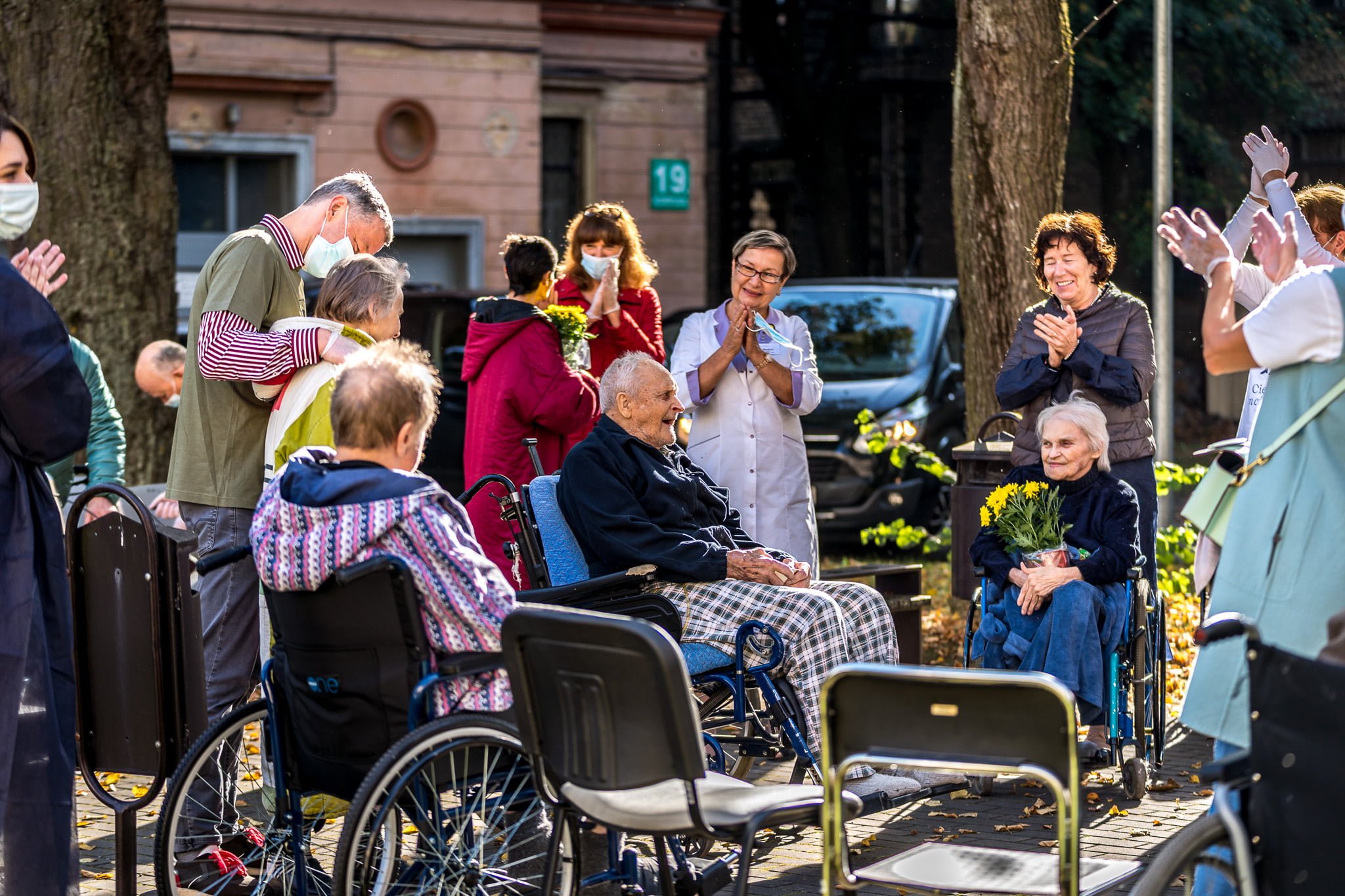
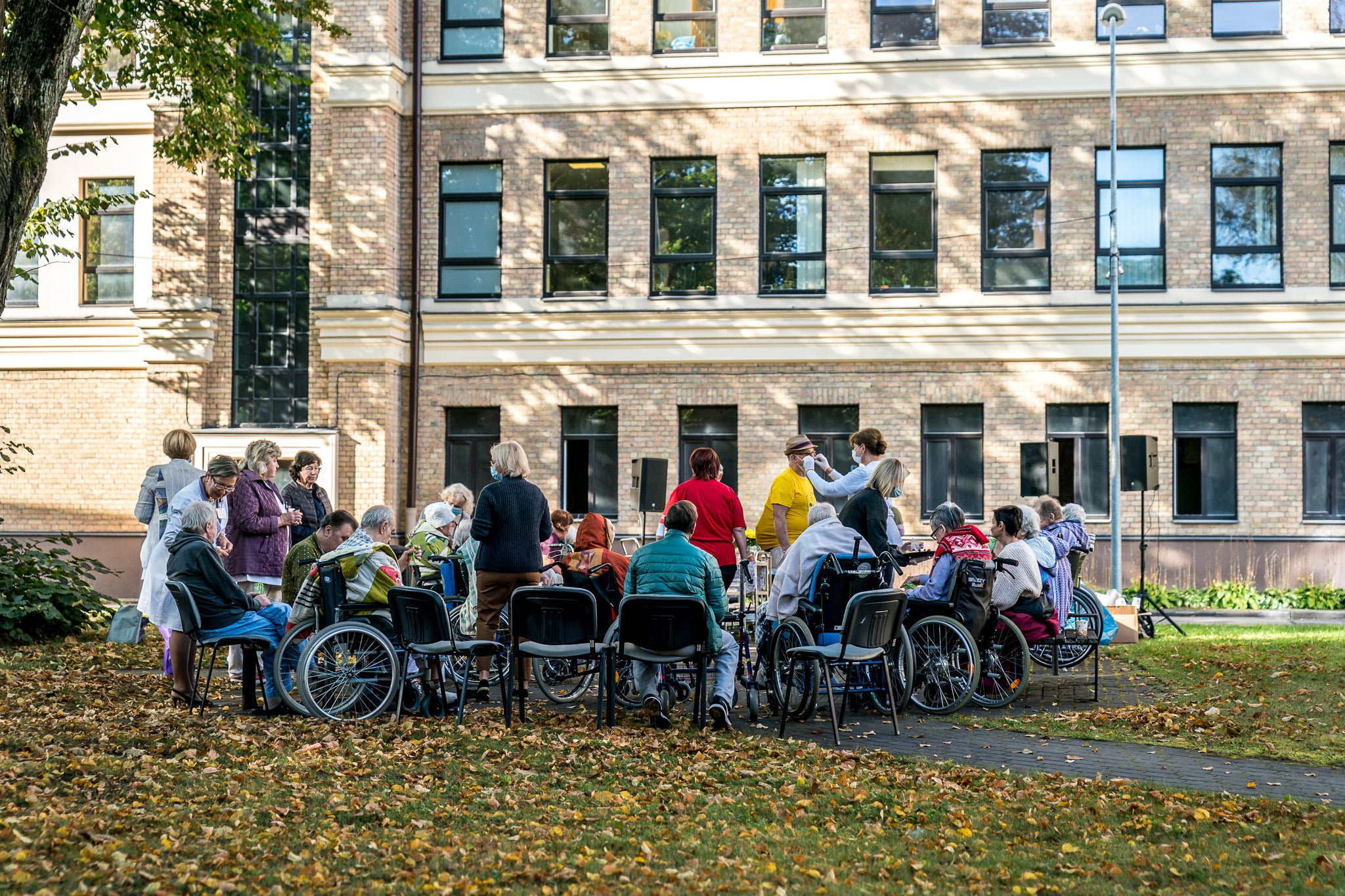
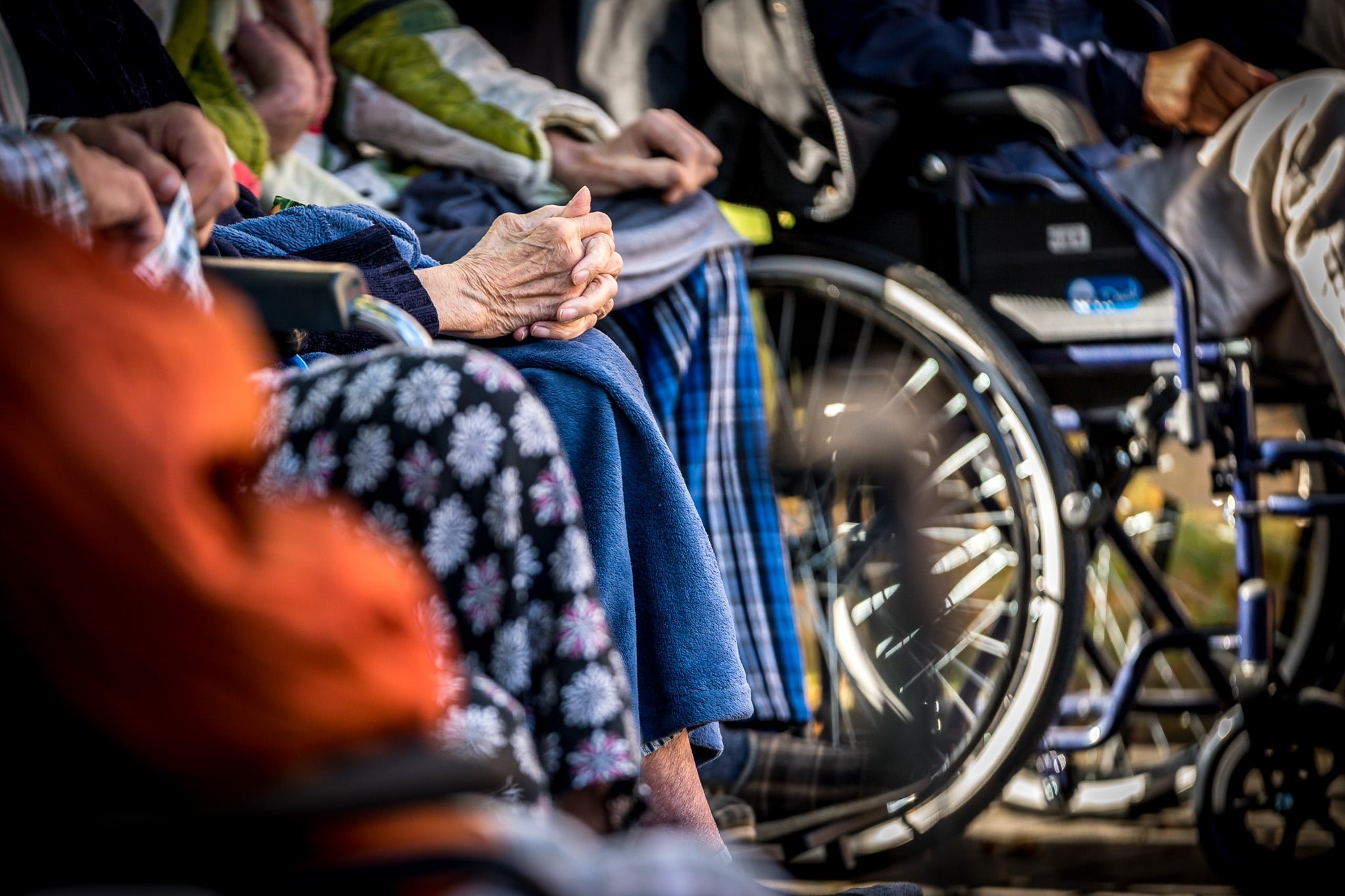
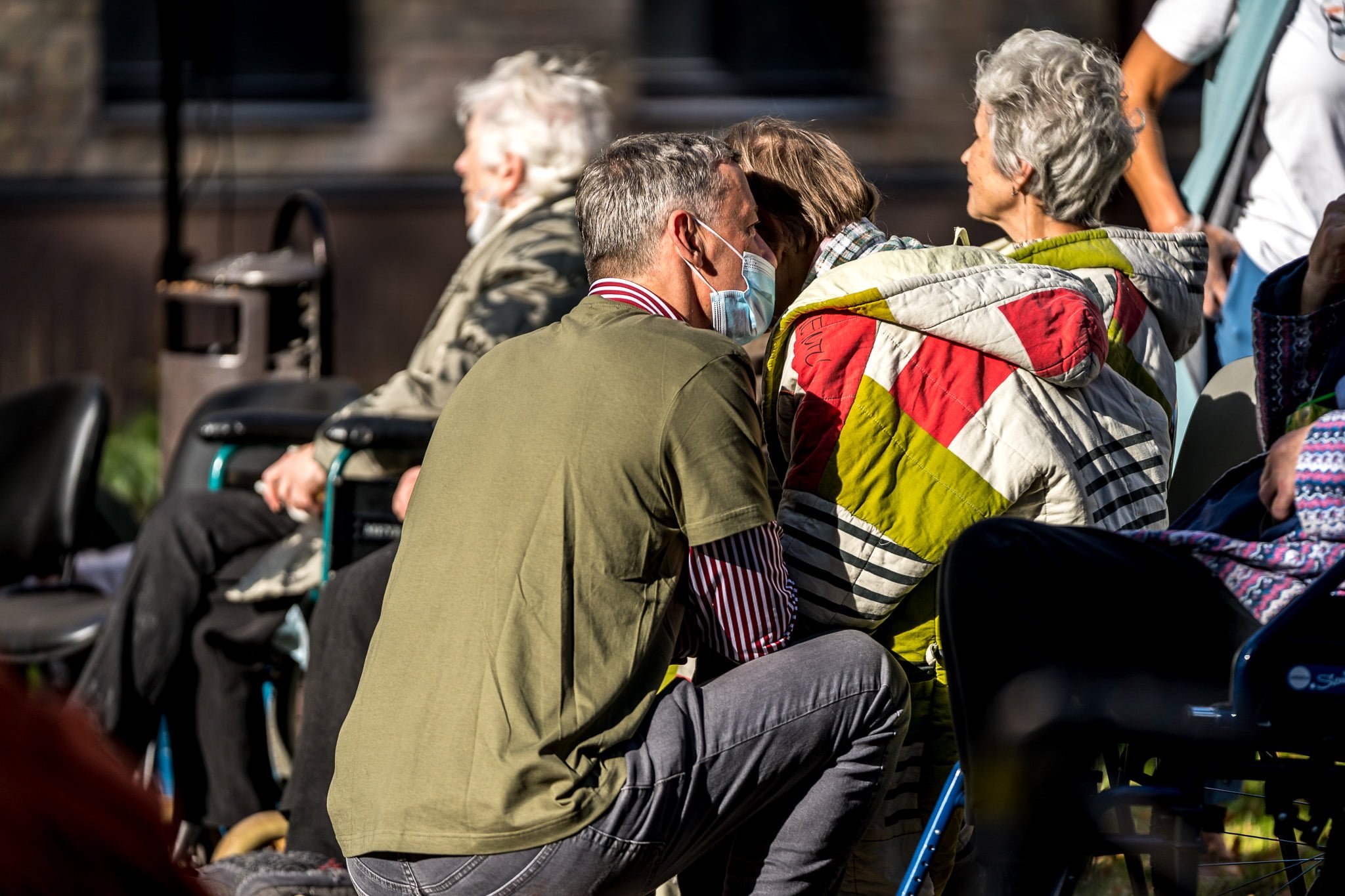
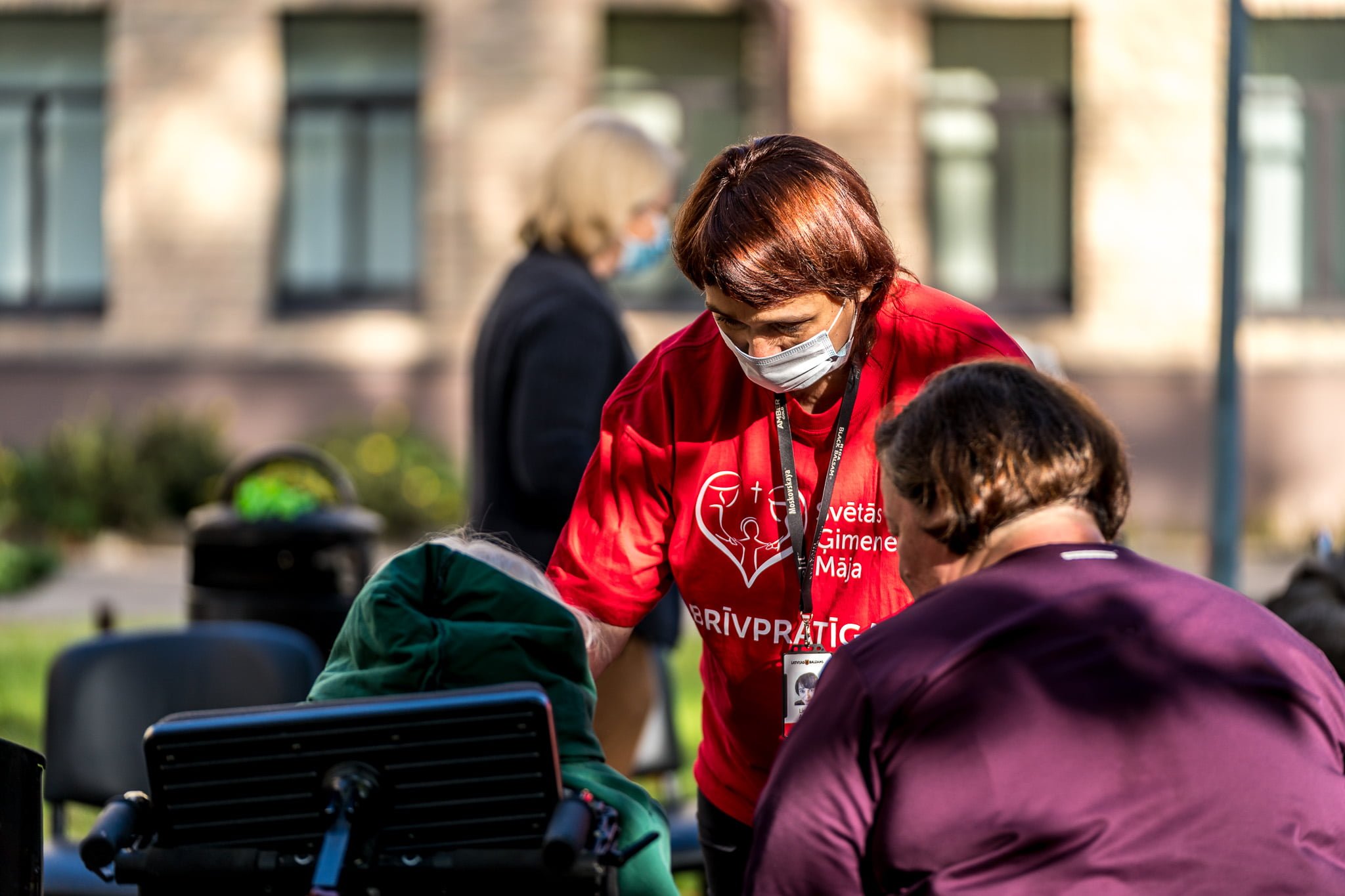
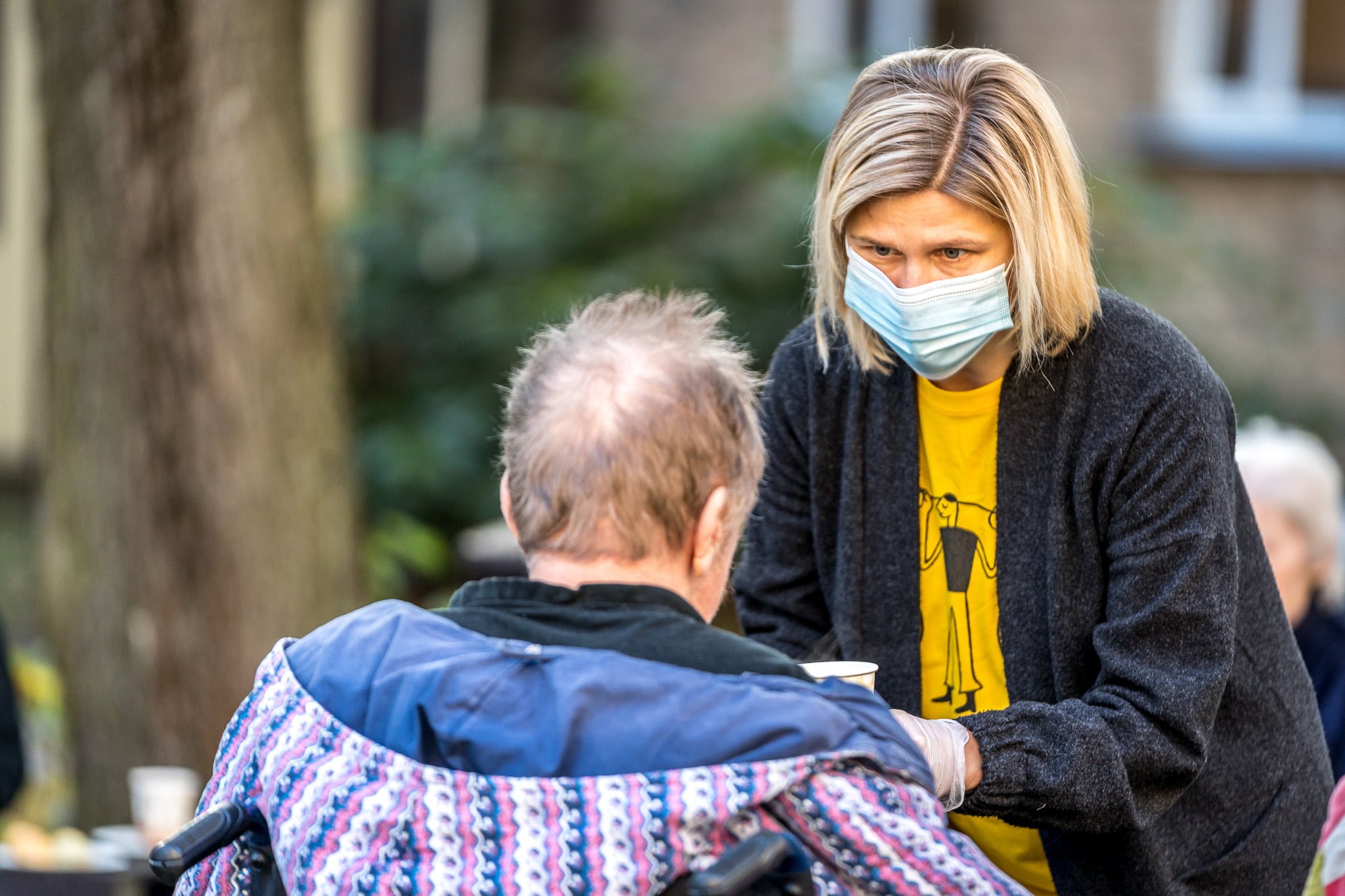
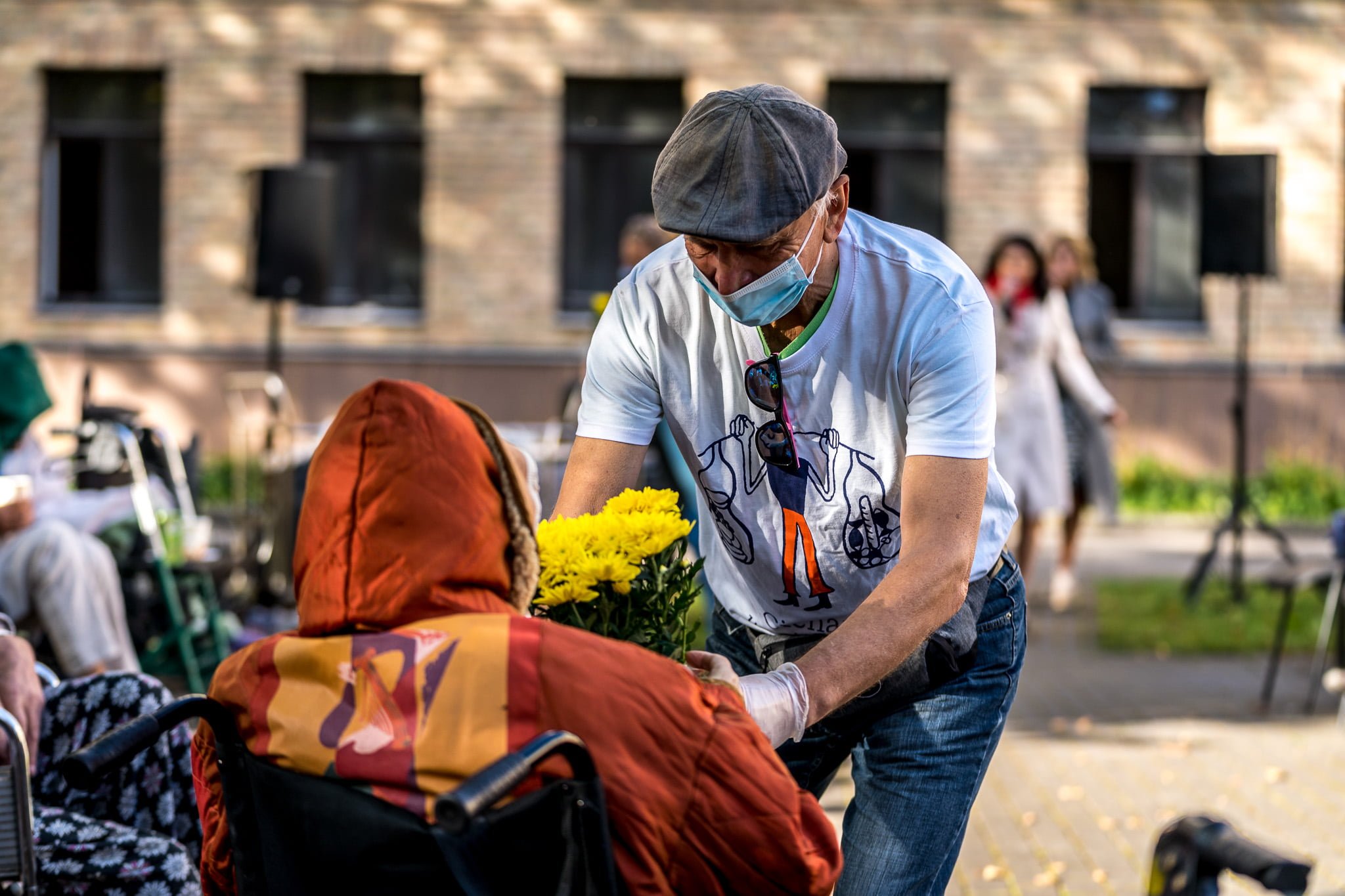
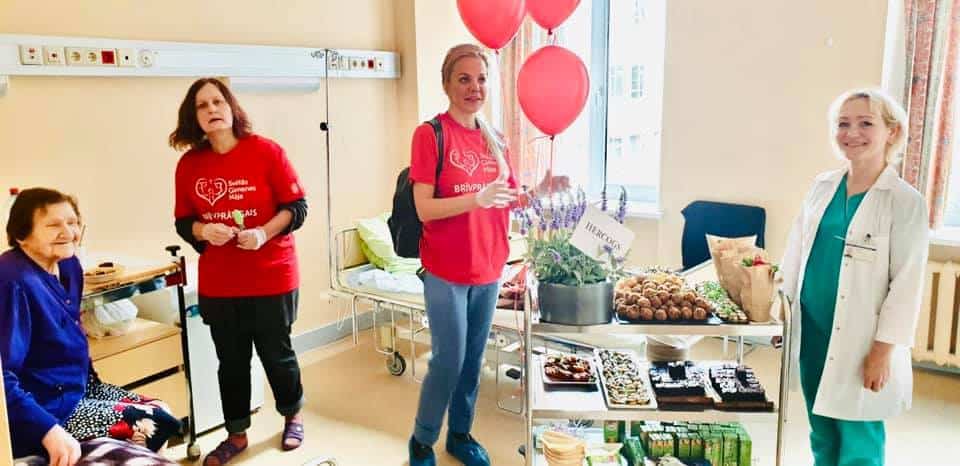
For the Hospiss LV team, this topic is a daily occurrence. The organisation's patients also include people with dementia who need care on both a physical and emotional level.
Dementia is a disease that destroys not only memory, but also identity, relationships and everyday abilities. It affects families who have to learn to live in a new reality, often without enough support.
It was this experience that prompted us to raise the issue in a broader context:
Is digital technology accelerating processes today that will become diagnoses tomorrow? And what can we each do today to protect our brains?
The aim of the debate: to understand, not to scare
During the discussion, we will seek answers to the questions:
- Can prolonged screen use affect brain development and accelerate cognitive decline?
- To what extent is technology taking over our thought processes?
- What myths about the digital environment should be dispelled?
- How can society, parents and medical professionals create an environment that protects mental health?
- How to recognise the early signs of dementia - in yourself, your loved ones or your children?
- We won't ask easy questions and we won't expect easy answers. The aim is not to scaremonger, but to give society the tools and knowledge to live in a digital world without losing themselves.
Who will take part in the discussion?
The discussion will be attended by leading Latvian dementia and neuromedicine specialists, as well as people with real experience of dealing with the disease: Ainārs Stepens - Associate Professor of Neurology at RSU and leading researcher, Director of Education and Science at RAKUS; Žanete Jansone - Board Member of Hospiss Māja; Zane Anna Litauniece - neurologist; Rēzija Kalniņa - actress. The discussion will be moderated by TVNET journalist Dita Deruma.
The discussion will take place on 10 December at 18.00. The live webcast will be available on TVNET GRUPAS portals TVNET.LV, RUS.TVNET.LV, APOLLO.LV, HOSPISS LV facebook, so that everyone - parents, teachers, doctors, young people and seniors - can join us. The recording of the discussion will then be available on the portals.
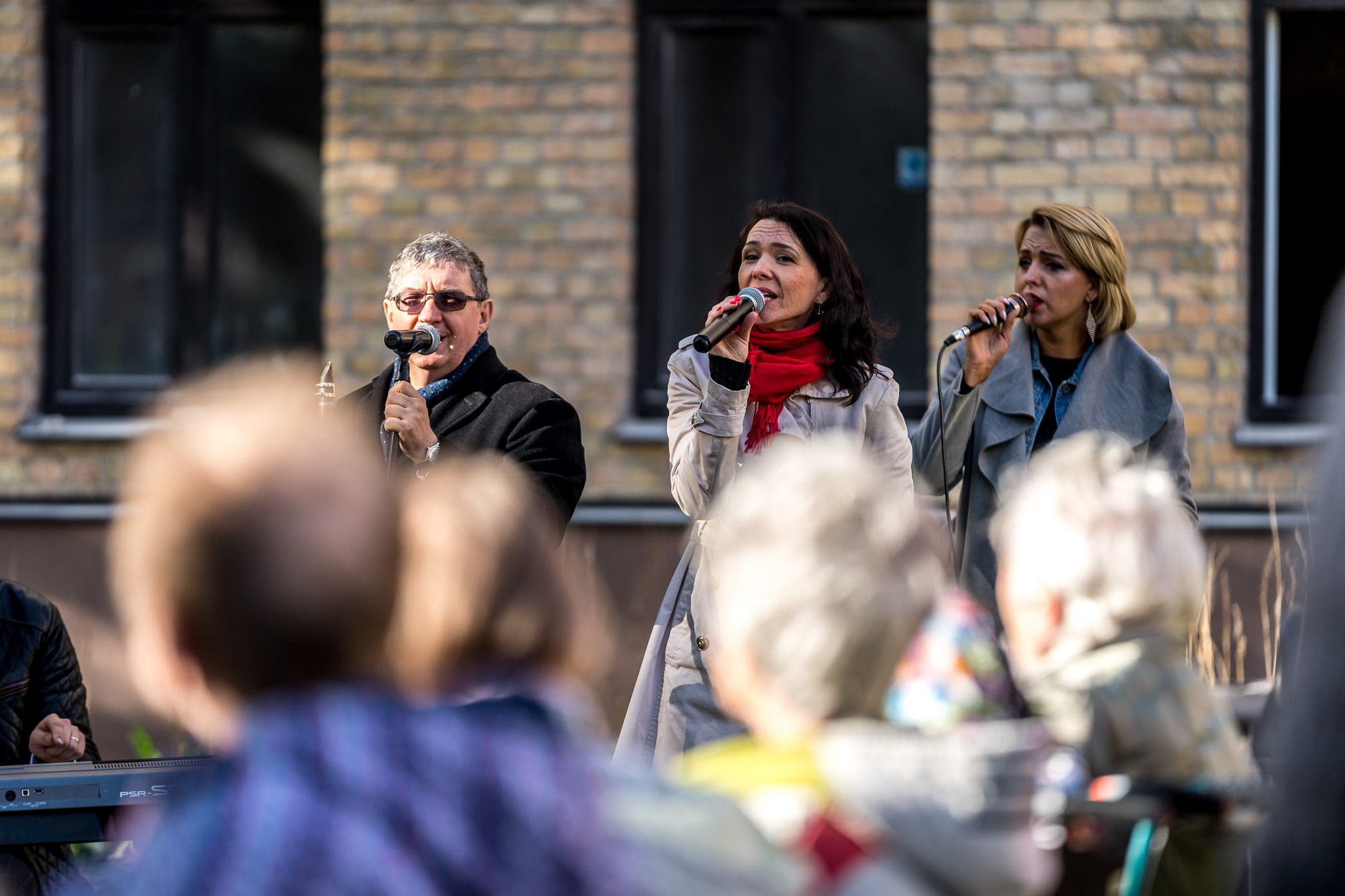
After the discussion, at 19.30, you are cordially invited to enjoy a live concert dedicated to Hospiss LV volunteers, carers and patients' relatives, honouring the people who face the reality of dementia most closely. Don, Kautkaili, SHIPSEA, Roberts Balanas, Idille, Melo-M will take the stage.